
6 Ways Car Accidents Can Impact Your Life
No one plans for a car accident, but in a split-second, your entire life can change. One minute you’re driving home, thinking about dinner or that last-minute work meeting scheduled for tomorrow, and the next, you’re dealing with pain, frequent doctors’ visits, weekly therapy sessions, and endless phone calls with insurance companies.
Everyone talks about the physical damage caused by a car crash, but how does a car accident affect your life? This guide breaks down the physical, emotional, and financial toll of a wreck, as well as how having the right support on your side can help you secure the compensation you deserve.
Types of Damages
Before looking at how a car crash can affect your life, it helps to understand how the law defines your losses. In a personal injury claim, damages fall into three categories: economic, non-economic, and punitive.
Economic Damages
Economic damages cover the financial losses that can be clearly measured. These are the tangible costs you incur after an accident, including:
- Medical expenses, such as emergency room visits, diagnostic imaging (like MRIs or X-rays), surgeries, rehabilitation, prescriptions, and follow-up care
- Lost wages from missed work, reduced hours, or temporary disability during recovery
- Loss of earning capacity if permanent injuries prevent you from returning to the same job or income level
- Property damage for your vehicle and any personal belongings damaged in the crash, such as a laptop, cell phone, or child safety seat
- Out-of-pocket costs like travel to medical appointments, mobility aids, home modifications, or childcare while you recover
Non-Economic Damages
Non-economic damages account for the ways an accident changes your quality of life. They are the intangible losses that recognize the pain and emotional toll an accident takes on you:
- Pain and suffering from ongoing pain, reduced mobility, or lasting physical discomfort
- Emotional distress, such as anxiety, depression, or fear of driving after the crash
- Loss of enjoyment of life when injuries keep you from activities, hobbies, or social events you once loved
- Loss of consortium for how injuries impact relationships, intimacy, and family life
- Disfigurement or scarring that causes psychological distress or self-consciousness
Punitive Damages
Punitive damages are reserved for extreme cases involving gross negligence or intentional misconduct (e.g., drunk driving). These damages are meant to punish the wrongdoer and deter others from similar behavior. Under Florida Statute 768.73, punitive damages are capped at three times the amount of compensatory damages or $500,000, whichever is greater.
6 Ways Car Accidents Impact Your Life
The Florida courts do a good job of defining damages on paper, but the real impact of car accidents can’t be found in a legal definition. Whether you’re unable to work at full capacity or you require intensive rehabilitation and therapy, recovery often takes longer and feels harder than most people expect. Below are six ways a crash can change your life:
1. You Sustain Physical Injuries and Disabilities.
Car accidents can cause a range of physical injuries, depending on the nature of the crash, including:
- Whiplash and neck strain
- Concussions or traumatic brain injuries (TBIs)
- Broken or fractured bones
- Spinal cord injuries and herniated discs
- Soft tissue injuries and muscle tears
- Internal bleeding or organ damage
- Nerve damage or paralysis
- Cuts, bruises, and burns
Some of these injuries are immediately obvious, but others, like TBIs, can take days or even weeks to appear. It’s imperative that you seek medical attention right away, not only for your health but also to protect your right to compensation. Under Florida Statute 627.736, you must seek medical attention within 14 days to remain eligible for personal injury protection (PIP) benefits, insurance coverage that’s required for all Florida drivers.
2. You’re Left With Emotional Trauma.
Studies show that as high as 30-50% of crash victims develop a diagnosable mental health condition, with the most common being:
- Depression or major depressive disorder (MDD)
- Post-traumatic stress disorder (PTSD)
- Panic disorder
- Generalized anxiety disorder (GAD)
Some survivors struggle with anger or substance use, and others experience strong emotional reactions that seem out of their control. This is why a big part of recovery is processing what happened and finding support through therapy, counseling, coaching, or medication. The costs for these treatments are frequently included in personal injury claims; however, Florida follows something called the Impact Rule.
Florida’s Impact Rule limits emotional distress claims unless there’s a physical injury or impact present, but there are exceptions. If your emotional trauma leads to physical symptoms, such as insomnia, you may still qualify for compensation. One of our skilled car accident attorneys can help connect those symptoms to your case and ensure your suffering is recognized.
3. You Become Financially Stretched.
Even with decent insurance, many people aren’t prepared for how expensive recovery can become once medical care, car repairs, and lost income start stacking up. Expenses may include:
- Emergency room and hospital bills
- Diagnostic tests, surgeries, and follow-up care
- Physical therapy or rehabilitation
- Prescription medications and medical equipment
- Vehicle repair or replacement
- Rides to appointments or temporary transportation
Insurance companies can make things even more challenging by delaying payments for weeks or denying claims altogether. Meanwhile, the bills keep coming.
The best way to protect yourself is by keeping detailed records of everything. Save every receipt, invoice, and estimate related to your accident. The more documentation you have, the easier it is for your attorney to show the true financial impact and pursue full compensation on your behalf.
4. Your Relationships Become Strained.
A car accident can affect everyone around you, even if they weren’t directly involved in the crash. A family member may need to take time off work to care for you, which can create financial strain on top of the emotional stress everyone is already feeling. This can eventually lead to resentment, guilt, or frustration on both sides as everyone adjusts to a new way of life.
In some cases, couples experience a loss of intimacy or companionship, known legally as loss of consortium. Relationships that once felt easy now feel tense or distant, making recovery even more challenging.
5. You Have a Lower Quality of Life.
After a serious accident, life doesn’t always return to normal as easily as expected. You might find yourself avoiding certain places, struggling to concentrate at work, or relying on others for things you used to do without thinking.
What often surprises people most is how limiting the small things can become. Standing at the stove to cook dinner or even sitting through a movie can trigger pain or exhaustion. These new barriers can make it harder to feel independent or hopeful about the future.
Rebuilding your quality of life isn’t a quick process as it requires you to adjust to a new normal and find ways to manage the limitations your injuries created. A personal injury attorney can help you secure the compensation needed to cover the cost of continued care and treatment so you can focus on improving your day-to-day life.
6. You Have a High Risk of Long-Term Health Complications.
Certain injuries can develop into long-term medical issues that affect mobility, comfort, and overall health. These include, but are not limited to:
- Arthritis in joints that were injured or immobilized
- Chronic pain syndromes or nerve damage that never fully heals
- Limited range of motion and gradual mobility decline
- Cognitive changes or memory loss after head or brain trauma
- Sleep and breathing problems caused by spinal or neck injuries
While ongoing treatment, including physical therapy, injections, medication, and surgery, can improve symptoms, it often comes at high cost. A car accident lawyer can help secure the compensation you need so you’re not left managing those expenses alone.
Why Do Car Accidents Occur?
While laws like Florida’s Ban on Texting While Driving Law exist to improve roadway safety and reduce crashes, car accidents still happen every day. Even the most cautious drivers can’t always predict the behavior of others on the road.
The most common causes of crashes include distracted driving, speeding, fatigue, drug or alcohol impairment, and poor weather conditions. In cities like Gainesville, where traffic is heavier due to college students and visitors, crowded streets and frequent stop-and-go movement increase the chances of collisions.
Can Car Accidents Be Prevented?
It’s nearly impossible to eliminate car accidents entirely, but many can be prevented with safer habits. As a driver, the best way to reduce your risk is to stay alert, patient, and proactive behind the wheel:
- Keep your phone out of reach while driving.
- Follow posted speed limits and slow down in residential or school zones.
- Avoid driving when tired, distracted, or under the influence.
- Leave enough space between vehicles to react safely.
- Be extra cautious in rain or low-visibility conditions.
Here in Gainesville, the city is actively working to make streets safer through its Vision Zero initiative. Several major improvements are already in place, with more on the way:
- Installed 11 new pedestrian crosswalks and signals with refuge islands, with 21 more currently in development.
- Expanded 3 miles of protected bike lanes and funded 17 additional miles to separate cyclists from vehicle traffic.
- Built over 1 mile of new sidewalks and 79 ADA-compliant curb ramps to improve accessibility.
- Implemented Leading Pedestrian Intervals (LPIs) at 20 intersections, allowing pedestrians a brief head start before vehicles can turn.
- Lowered speed limits to 25 mph in neighborhoods and school zones.
- Added pedestrian-scale lighting along corridors where most nighttime crashes occur.
- Began rebuilding major corridors such as University Avenue, Archer Road, and Waldo Road with narrower lanes, protected crossings, and better bike and transit connections.
By working together, drivers and the city of Gainesville can make the roads safer for everyone.
How Can Fine, Farkash & Parlapiano, P.A. Help?
When you work with Fine, Farkash & Parlapiano, P.A., you’re not just hiring a lawyer. You’re gaining a team that understands what you’re going through and knows how to guide you through it. From the very first consultation, you’ll feel supported, informed, and confident that your case is in capable hands.
We’ll start by getting to know you and the details of your accident. We’ll review what happened, explain your rights, and outline the next steps so you know what to expect. From there, our attorneys and staff handle the details while you focus on your recovery.
You can expect us to:
- Investigate every aspect of your crash and gather the evidence needed to build a strong claim
- Communicate directly with insurance companies so you don’t have to handle stressful phone calls or paperwork
- Coordinate with doctors, specialists, and therapists to ensure your medical needs are documented and covered
- Calculate the full extent of your losses, including future care and lost wages
- Keep you informed throughout the process so you always understand what’s happening and why
We know that every case is personal, which is why we adapt our strategy to your needs while fighting for the best possible outcome. With more than a century of combined experience, our firm has earned a reputation for compassion, integrity, and results.
When life changes unexpectedly, you deserve a team who has your back. Reach out today for your free consultation and learn how our Gainesville car accident lawyers can help you get your life back.
Sources:
768.73 Punitive damages; limitation. | The Florida Legislature
316.305 Wireless communications devices; prohibition. | The Florida Legislature Vision Zero | City of Gainesville
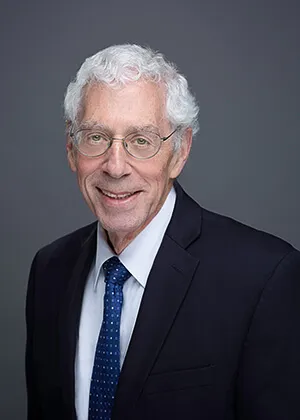
Mr. Fine was born in New York, New York, and was raised in the northeast, where he studied sociology at Colby College in Waterville, Maine. He then graduated with honors from the University of Florida Levin College of Law in 1976. In law school, he was a member of Phi Kappa Phi Honor Society, was inducted into the Order of the Coif, and graduated in the top 10 percent of his class. Mr. Fine was admitted into the Florida Bar in 1976, the United States District Court for the Middle District of Florida in 1977, the United States District Court for the Northern District of Florida in 1991, and the United States Court of Appeals 11th Circuit in 1982.